Giving Musicians Feedback Without Discouraging Them
How worship leaders can give band members feedback that helps them grow: when to say it, how to make it specific, and how to keep it about the song.

Practical articles for worship drummers, guitarists, vocalists and the people who lead the team.
How worship leaders can give band members feedback that helps them grow: when to say it, how to make it specific, and how to keep it about the song.
How to use volume swells, delay and reverb to fill space on a worship team without crowding the vocals or the keys.
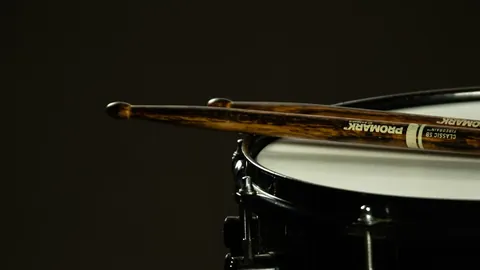
How to get a snare that cuts through the band without ringing all over a live room: heads, tension, snare wires, muffling, and checking it from the seats.
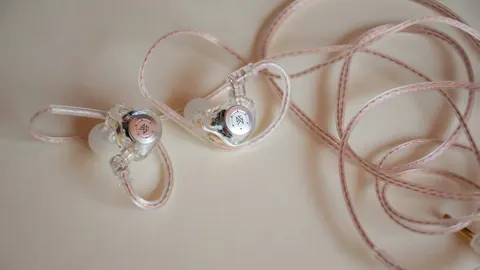
Wired packs, personal mixers, fit and hearing safety: a practical way for a small worship team to start using in-ear monitors without a big budget.
Most rehearsals run out of time before the hard parts get fixed. A simple 90-minute order of work: tough spots first, then transitions, then a full run.
How to find a harmony part, what thirds and sixths mean in plain language, staying on your part when the leader moves, and deciding who sings what.
Ten minutes before the service can settle a team or scatter it. What to cover in the huddle, what to leave out, and how to send everyone out focused.
When keys, electric and drums are all going, a strummed acoustic turns to mush. Voicings, capo spots and strumming habits that help it cut through.
A click keeps the team together, but it can suck the life out of the groove. How to feel it instead of fight it, and what to do when things drift.
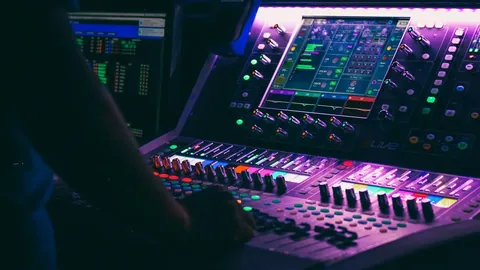
Most volume complaints aren't really about loudness. Where the harshness comes from, and how the band and the sound booth can fix it together.
When singers can't hear themselves, they push, go flat and stop leading. A simple way to build a vocal monitor mix that works.
A new song only works if the congregation can sing it. How to choose it, where to put it in the set, and how many weeks it takes to stick.